
What Independence Really Means as We Age
Every July, we celebrate our nation’s independence with parades, fireworks, cookouts, and the red-white-and-blue tradition. But for many older adults, “independence” isn’t a once-a-year celebration, but rather a daily goal. A desire to stay in the home they’ve built a life in, on their own terms, for as long as possible.
We’re taking the spirit of Independence Day and asking a bigger question: what does it actually take for older adults to stay independent — and how can our Northern Virginia community help?
The Research Is Clear: Most Older Adults Want to Age in Place
A national survey by the University of Michigan’s National Poll on Healthy Aging found that the vast majority of adults ages 50–80 say it’s important to remain in their own home for as long as possible. But the same research uncovered a gap between that wish and reality: while most people feel confident their home could support aging in place, far fewer have made the accessibility changes that would actually make it possible, and confidence drops sharply when it comes to getting help with everyday tasks and personal care.
The Centers for Disease Control and Prevention (CDC) tracks similar trends through its Healthy Aging Data program, which monitors chronic conditions, mobility, and quality-of-life indicators for adults 65 and older — data that consistently shows physical limitations, not lack of desire, are what push people out of their homes prematurely.
In other words: independence isn’t about being able to do everything alone. It’s about having the right support system so that staying home is actually possible.
Three Pillars of Independence — and How SCNOVA Helps
1. Getting Where You Need to Go
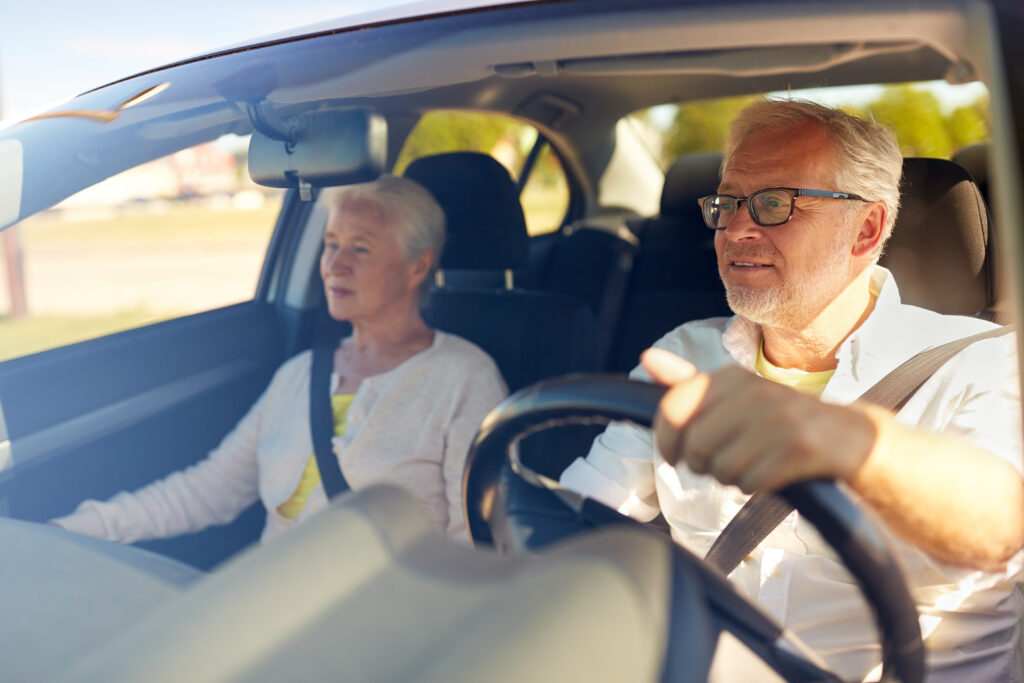
Losing the ability to drive is one of the biggest threats to an older adult’s independence. Without transportation, a routine doctor’s visit, a grocery run, or a trip to church can suddenly feel out of reach.
SCNOVA’s volunteer driver network provides free rides to medical appointments, the pharmacy, the bank, the grocery store, and other everyday destinations across our service area. Rides are provided by trained, background-checked volunteers — many of whom build lasting friendships with the neighbors they drive. These rides solve logistical problems, yes, but they can also be a meaningful social connection.
2. Keeping the Home Livable
A loose stair rail, a broken porch light, or a faucet that won’t shut off… home repairs and maintenance can become the tipping point that makes a house feel unsafe. The Michigan poll found that older adults are among the least confident about getting help with home maintenance and personal care tasks, even though they’re highly motivated to stay put.
SCNOVA’s Handy Helpers program is free and connects participants with volunteers who assist with minor home repairs and small household tasks — the kind of help that keeps a home safe without requiring a move.
3. Staying Connected
Independence is both social and physical. The National Institute on Aging reports that roughly one in four adults age 65 and older is socially isolated, and that loneliness is linked to a meaningfully higher risk of heart disease, depression, and dementia. Isolation doesn’t just affect mood; it can also make everyday tasks like managing medications or paying bills harder to keep up with.
SCNOVA’s Friendly Visitor and Friendly Caller is a free peer-to-peer program that builds social connections — simple, consistent contact that helps combat isolation and gives caregivers peace of mind that their loved one isn’t going it alone.
Independence Is a Team Effort
The truth about “independence” is that no one achieves it entirely on their own. Real independence for older adults is made possible by a network: reliable rides, a safe home, and people who check in.
That’s the safety net SCNOVA has been building in Northern Virginia since 1998, powered by volunteers who believe every older adult deserves to stay in the community they love.
Want to see how SCNOVA can help you or someone you love stay independent? [Become a participant] · [Learn about Handy Helpers] · [Become a Friendly Visitor] · [Volunteer with us]